
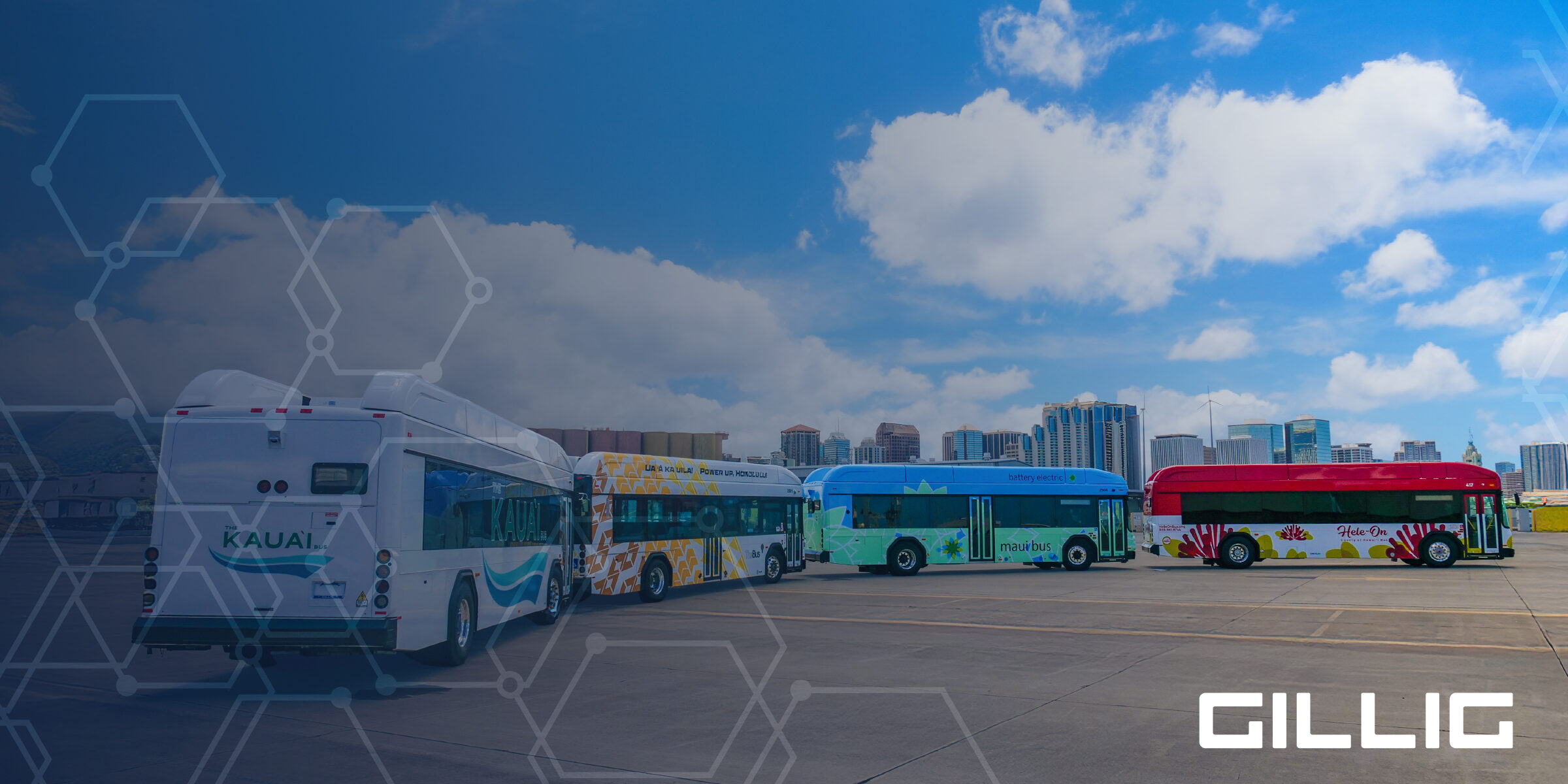
The County of Maui has introduced four battery-electric transit buses to passenger service. The vehicles will begin on two core routes and are funded through a multi-agency partnership supporting zero-emission public transport.
The County of Maui Department of Transportation has announced the launch of four new, all-electric transit buses on the Maui Bus network. The deployment marks the first use of battery-electric buses in regular service on the Hawaiian island and is positioned as a step towards fleet modernisation and emissions reduction.
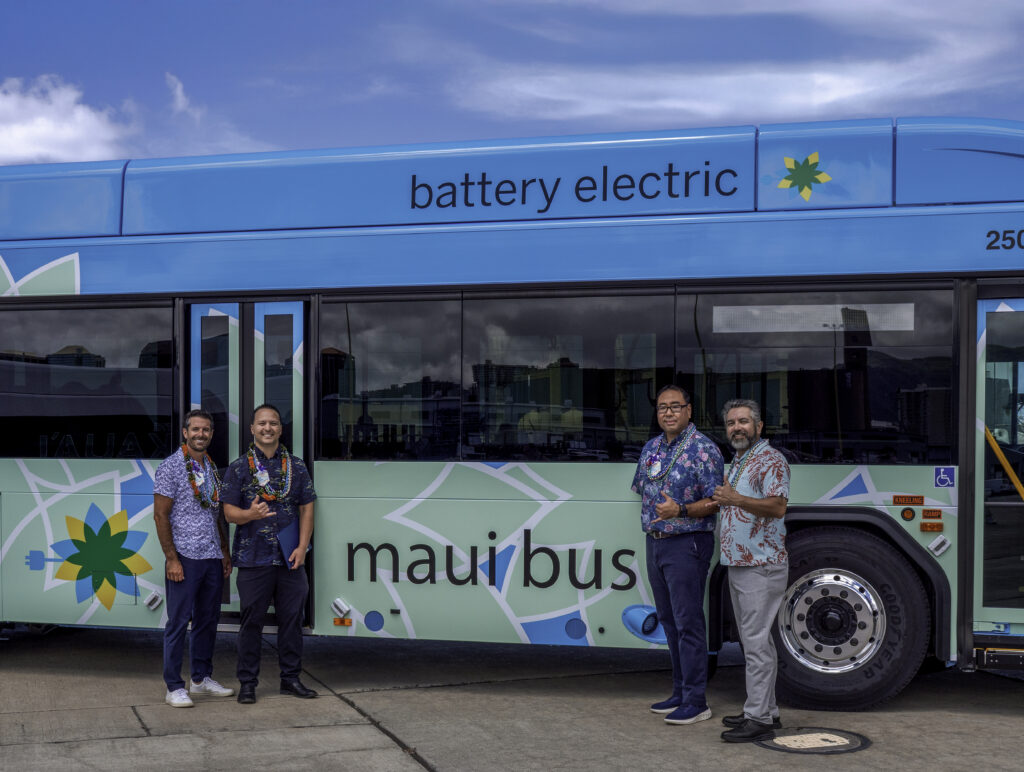
According to the department, the zero-emission buses will initially operate on the Kahului Loop #5 and the Upcountry Islander #40 routes, with plans to extend deployment to additional routes as operations scale. The buses will be introduced following a period of driver familiarisation to ensure readiness for daily service.
“These zero-emission buses represent a major milepost in the County of Maui’s efforts to reduce local air pollution and modernize the Maui Bus fleet with quieter, cleaner technology,” said Marc Takamori, County Transportation Director. “Our new buses help drive a more sustainable future for transportation not just on Maui, but across the entire state of Hawai’i.”
The US state of Hawaii first announced the new buses in the summer of last year.
There will be a total of 12 new battery-electric buses, which will replace 12 ageing diesel variants, namely on Kaua’i, Maui and Hawaii Island.
The zero-emission vehicles were manufactured by GILLIG and delivered through a partnership with the Hawai‘i Department of Transportation.
The new vehicles were funded by the Federal Transit Administration, which provided $11.2m USD in grant funding – covering a significant portion of the project’s overall $16.6m cost. An additional $3.53m was provided by the Hawaii State Energy Office, and the remainder was paid for by the counties themselves.
This is all part of a wider effort to decarbonise transport in Hawaii. In 2021, the Hawaiian government announced a new rule to electrify its entire fleet. Passenger vehicles must be electric by 2030, light commercial vehicles by 2035.